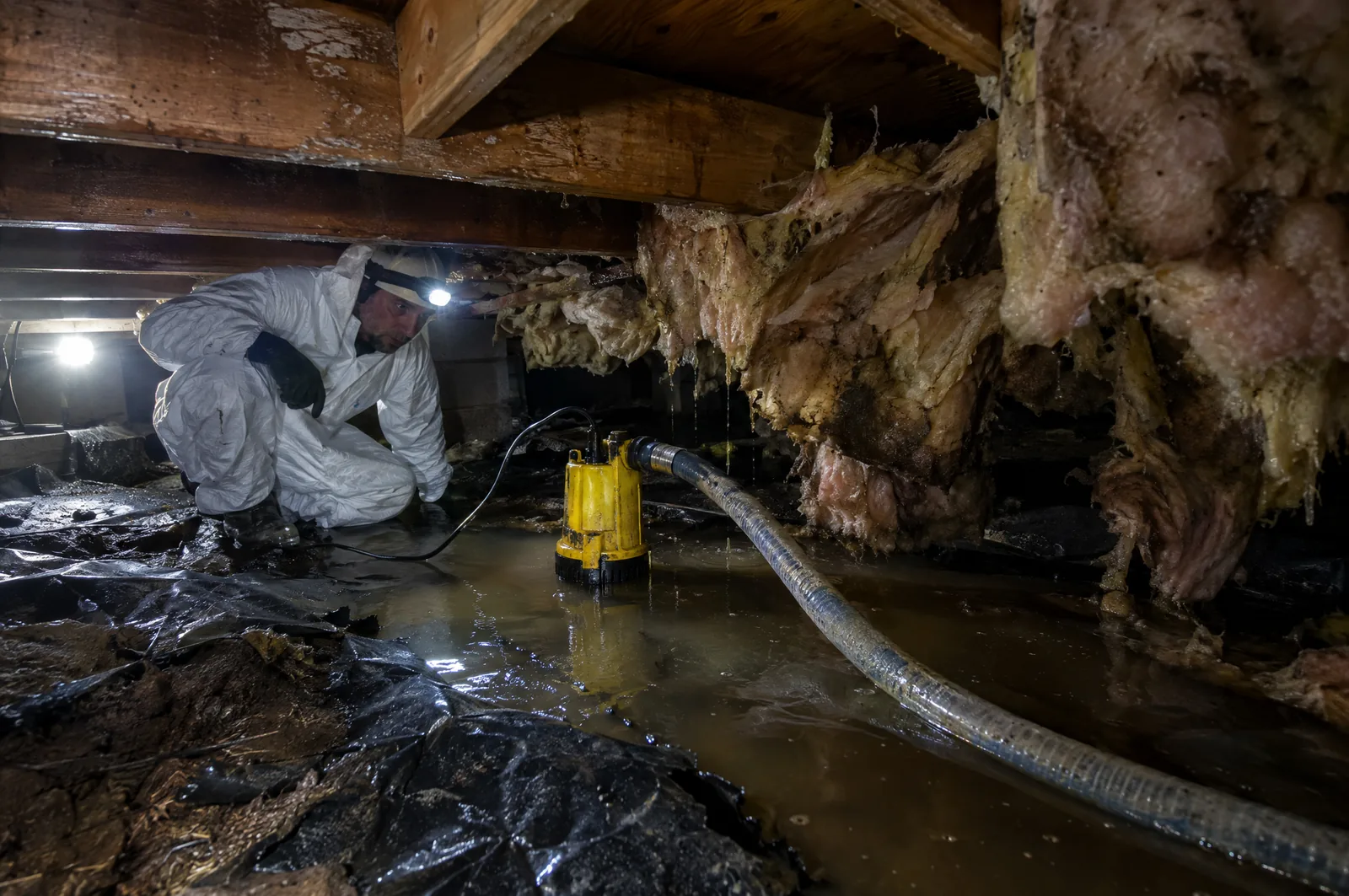
If you own a home in Tumwater, there is a good chance it sits on a vented crawlspace. That space is the lowest point in the building, and water is reliable about finding the lowest point.
Two Ways Water Gets Under Your House
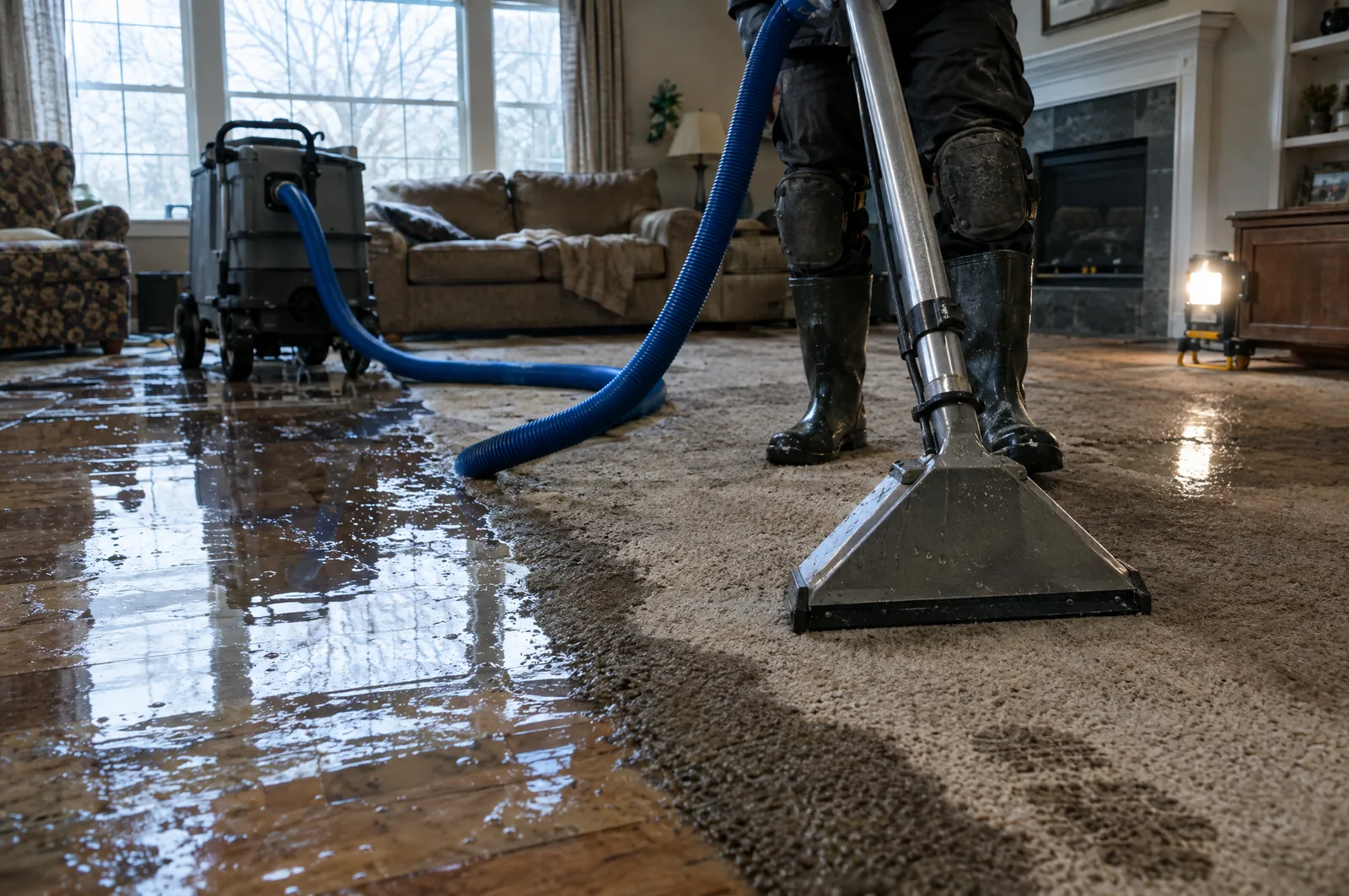
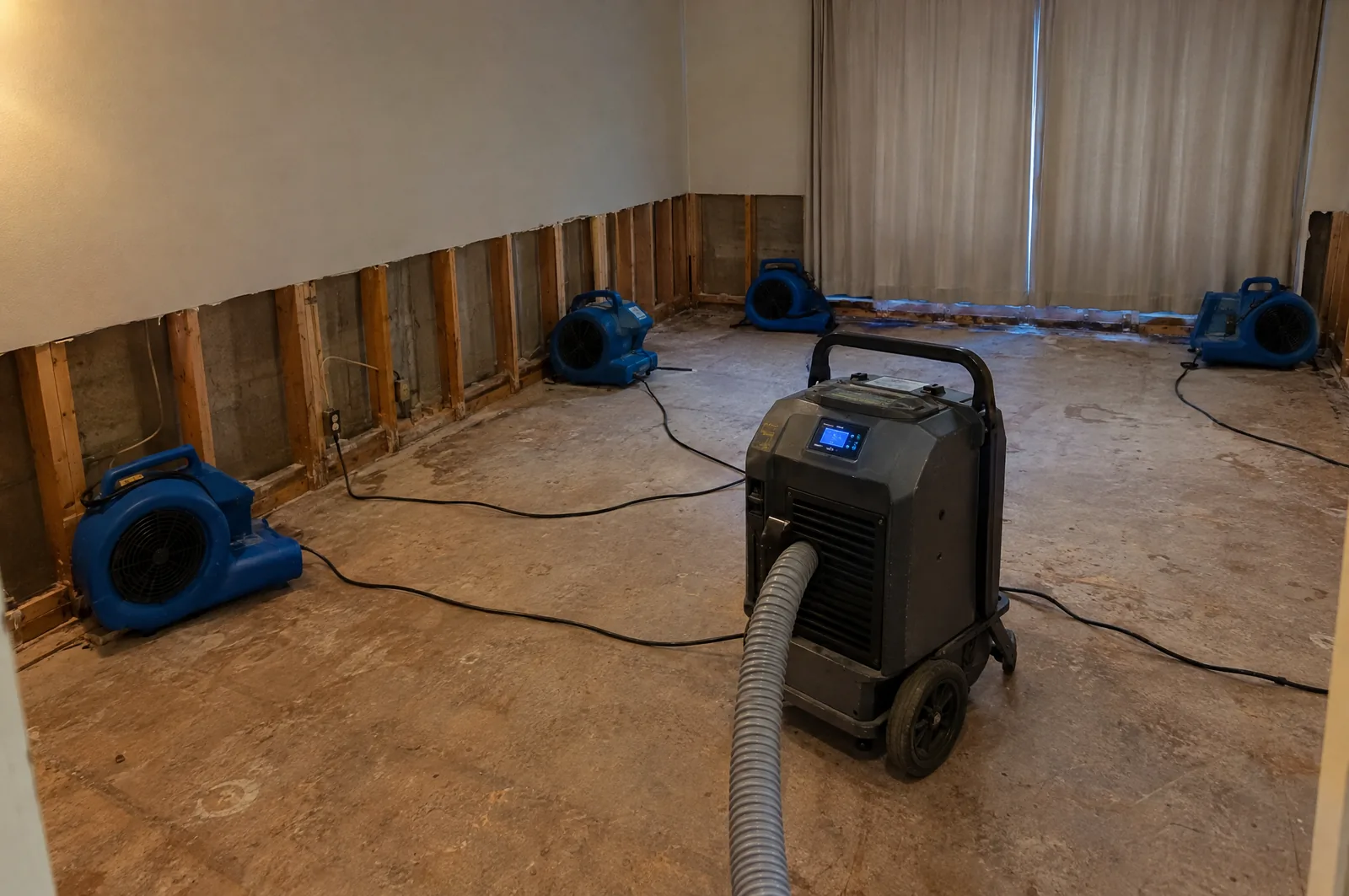
From inside. A supply line lets go, a water heater fails, a toilet overflows, and the water goes through the floor assembly and lands underneath. People dry the room where it happened and never open the hatch.
From outside. Thurston County takes a lot of rain between October and May, onto soil that does not drain quickly, with a seasonal water table that comes up. Add a downspout discharging next to the foundation, a grade that slopes back toward the house, or a footing drain that stopped working years ago, and water arrives under the building every winter without any plumbing failure at all.
Why It Matters More Than It Looks
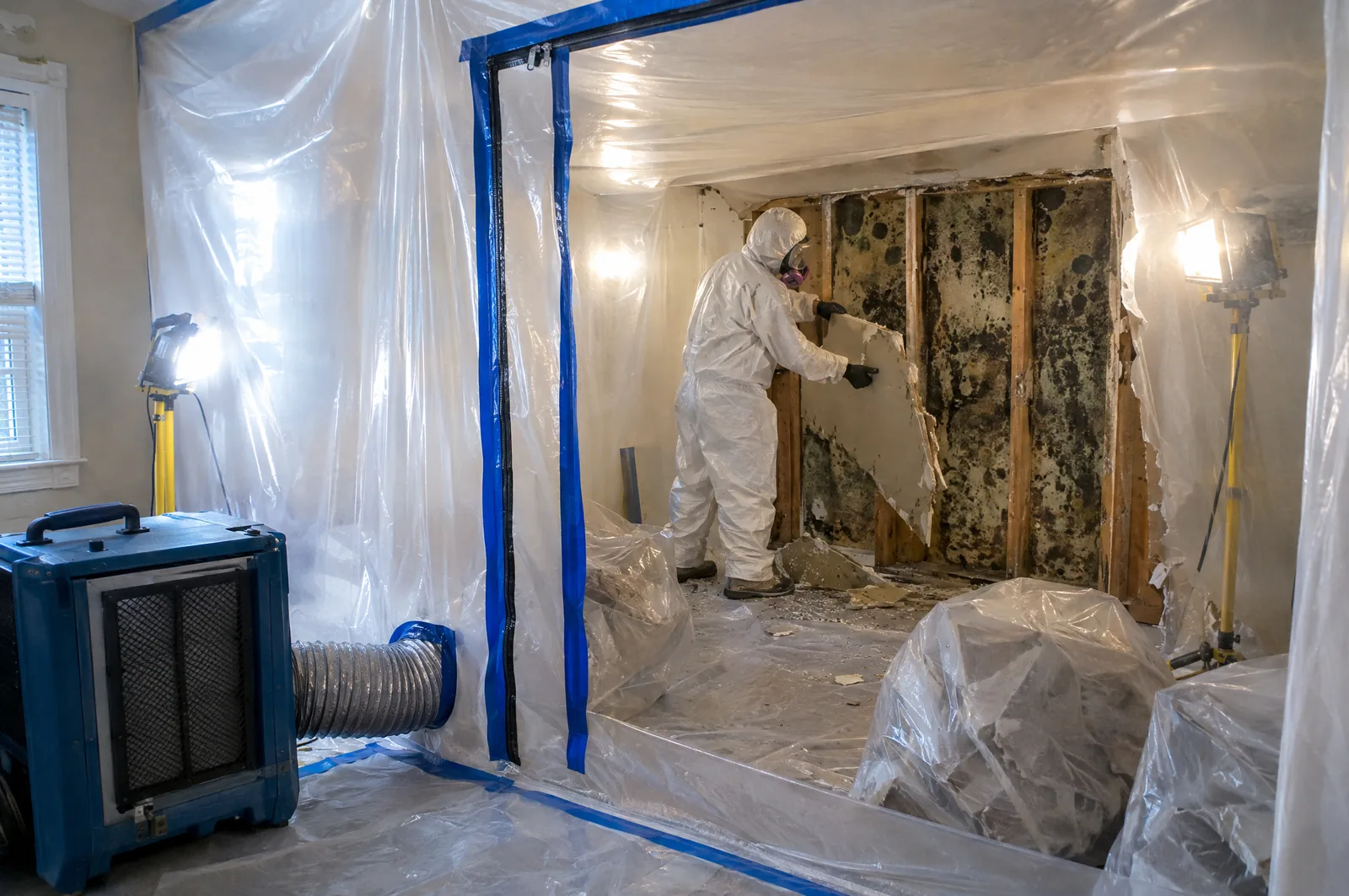
A crawlspace is cool, dark, enclosed, and has effectively no airflow. Put standing water and wet organic material in it and you have close to ideal conditions for mold, along with conditions for rot in the joists, the rim board, and the posts. Meanwhile the air in that space does not stay in that space. Air moves upward through floor penetrations into the living area, carrying humidity and whatever is growing down there with it.
The other cost is quieter. Saturated batt insulation loses its R-value permanently, so your floors are cold and your heating bill goes up, and most people never connect that to the crawlspace.
Get Help Now
Water under the house, or a musty smell you cannot place? Call us. We will go all the way under, photograph what is actually down there, and tell you what is causing it.